Lymphedema is a long-term swelling condition that happens when lymphatic fluid can’t drain properly. Some people are born with it, but others, such as Catherine Rosenberg, develop it after damage or trauma to the lymphatic system.
Rosenberg, a high school teacher in New Jersey, developed lymphedema in childhood that went mostly untreated until her early 20s. In her 40s, she developed a serious lymphedema-related wound. She describes her journey with wound care and the care team that finally helped her heal.
Lymphedema After Childhood Cancer
“My experience with lymphedema started about 35 years ago,” says Rosenberg. “It was secondary lymphedema that resulted from multiple rounds of radiation on my leg to treat pediatric cancer.” Her symptoms began soon after.
“My leg swelled, and the swelling wouldn’t go away,” says Rosenberg. “It got a lot worse in the heat and humidity.” She was 8 years old at the time.
“My doctors knew right away what was wrong because I’d had massive amounts of radiation,” says Rosenberg. But despite receiving a rapid and accurate cancer-related lymphedema diagnosis, she didn’t receive comprehensive treatment because there were no pediatric lymphedema therapists nearby.
No Access to Specialized Lymphedema Care
As a child, Rosenberg underwent years of intense physical therapy for lymphedema three times weekly and received compression stockings. “But my parents weren’t told how important compression stockings were, and as a kid, I didn’t like wearing them,” she says.
Rosenberg spent her childhood intermittently trying to address the growing swelling in her leg, but she mostly tried to ignore it. “It was the worst thing I could have done, because back then I could have reversed my lymphedema,” she says.
It wasn’t until many years after her diagnosis that Rosenberg first saw a lymphedema specialist—and it was entirely by chance.
Complete Lymphedema Treatment for the First Time
In 2003, Rosenberg was home from college and kept seeing an ad on TV for a doctor who treated lymphedema and lymphatic disorders. “It included an 800 number, so I called to see how close the office was. It turned out they were 20 minutes away from my house in Little Egg Harbor, New Jersey,” she says.
At 22, Rosenberg finally saw a lymphedema specialist for the first time. Her provider immediately started her on a complete decongestive therapy (CDT) regimen.
“CDT is an effective tool in lymphedema management, including manual lymphatic drainage, compression, exercise, home care, and patient education,” says certified lymphedema therapist Kim Cullen, PT, DPT, CLT. “Every patient is different in their needs, and we tailor CDT to meet the specific needs of each patient.”
Treatment Leads to Improvement, and Recurring Infections
“I wasn’t really expecting to see a difference, but it was eye-opening because I saw changes in a good way,” Rosenberg says. “But I also saw changes in a negative way since it was the start of many episodes of cellulitis.”
Cellulitis is a serious skin infection that can quickly spread in areas with lymphedema. Rosenberg’s first case of cellulitis came from an infected cuticle. “I’ve had more than 50 cases of cellulitis, including every major hospital-acquired infection,” she says.
The infections were intense. Over the course of one year, Rosenberg spent more time in the hospital than at home. While dealing with cellulitis, she continued with lymphedema therapy but was no longer getting results like before.
Surgeries and Complications
After Rosenberg stopped seeing fluid reduction in her leg, she decided to try surgical interventions. “I’ve probably had every type of lymphedema surgery possible,” she says. The procedures had mixed results.
Despite all the infections and procedures, Rosenberg never had a concerning wound until early in 2024. It started a few months before, with a lymphatic blister on her leg that became infected, turning into an open wound.
Skin Grafts and Wound Care Challenges
Rosenberg had a skin graft to cover the wound, but the graft was placed over infected tissue, so months later, the wound became worse and broke through. “It was not pretty,” she says. “I had to have emergency surgery.”
Some wound-healing measures made things worse, partly due to the presence of lymphedema. Rosenberg was also allergic to some of the wound care materials, such as a wound-healing gel and the adhesive on the bandages, which further worsened the situation.
The wound began to improve, but it wouldn’t close completely. Rosenberg underwent second and third skin grafts, but they also failed. “Unfortunately, lymphedema really plays a role in the effectiveness of skin grafts,” she says.
A Turning Point: Finding the Right Wound Care
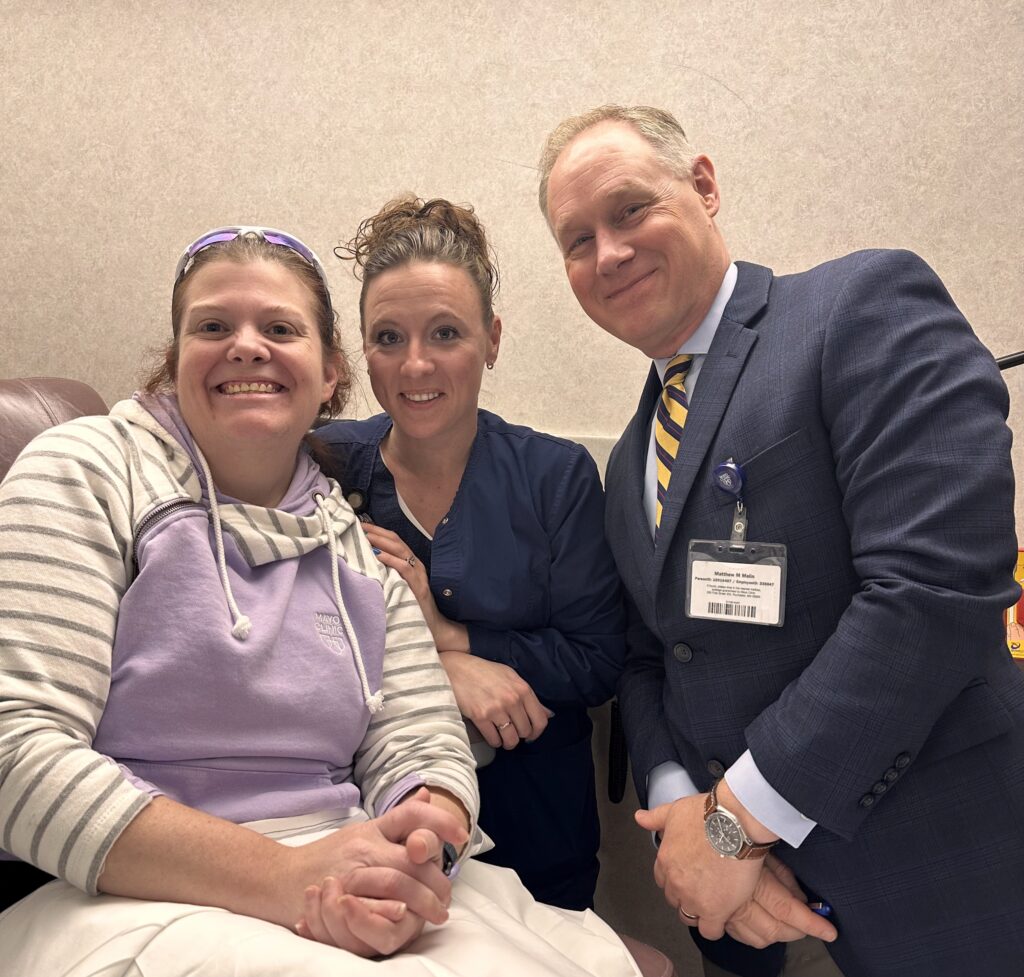
Rosenberg was at a loss with her unhealed wound, so she reached out to a friend in the lymphedema community, asking for help. He suggested she contact Matthew M. Melin, MD, FACS, RPVI, FACCWS, a wound care specialist and vascular surgeon in Minnesota.
Right away, Dr. Melin ordered an arterial Doppler study, which confirmed that Rosenberg still had enough blood flow in her leg to heal the wound. Dr. Melin also provided a different wound cleanser and gel that she could tolerate. “Those treatments made a huge impact in getting the wound to start healing,” she says.
Rapid Healing With Oxygen Therapy
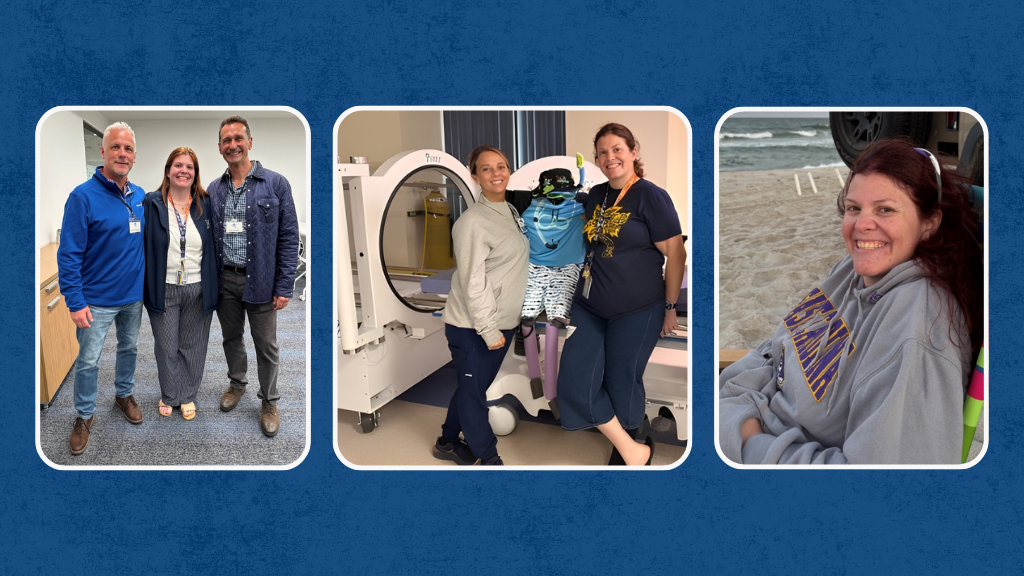
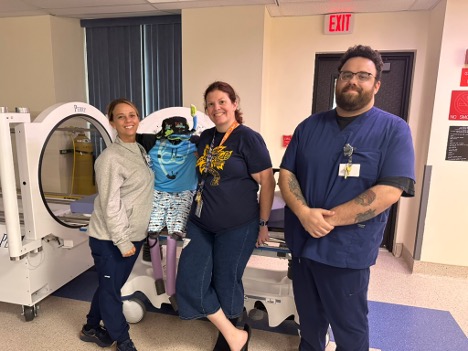
On Dr. Melin’s recommendation, Rosenberg’s wound care provider prescribed hyperbaric oxygen therapy, which involves lying in a chamber with pressurized oxygen. The treatment increases oxygen in tissues to help fight infection, reduce swelling, and promote the growth of new blood vessels.
Rosenberg completed 40 hyperbaric oxygen sessions over an eight-week period. At the end of that period, her wound was almost completely healed.
Collaborative Care Made the Difference
Finding Dr. Melin was crucial in Rosenberg’s healing, but the collaboration among all her providers was essential. “Having this team approach has totally changed things for me,” she says. Her team includes:
- Vascular/lymphatic care specialist, Dr. Melin: Specializes in lymphedema of venous etiology (LOVE) and offers advanced wound care recommendations and follow-up
- Lymphedema therapist: Provides manual lymph drainage, compression therapy, and ongoing lymphedema management
- Wound care specialist: Prescribes and manages Rosenberg’s hyperbaric oxygen therapy and wound treatments
- Insurance nurse case manager: Advocates for insurance approvals and helps Rosenberg navigate her complex care needs
- Psychologist: Supports Rosenberg’s mental health and helps her cope with the emotional toll of chronic illness
“Successful wound care starts with an accurate diagnosis and a team approach that looks at the whole patient, not just the wound,” says Dr. Melin. “By focusing on the lymphatic system, we can improve wound healing and give every patient a stronger chance at recovery.”
Finally Healing
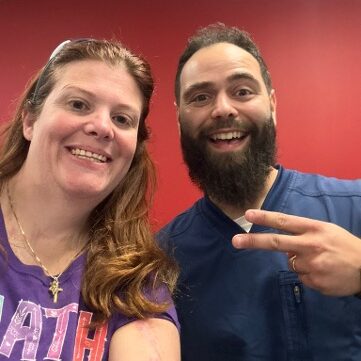
After Rosenberg’s struggles trying to heal the wound on her leg, her recent results seem miraculous. “The wound is just about closed,” she says. “It’s been a long haul.”
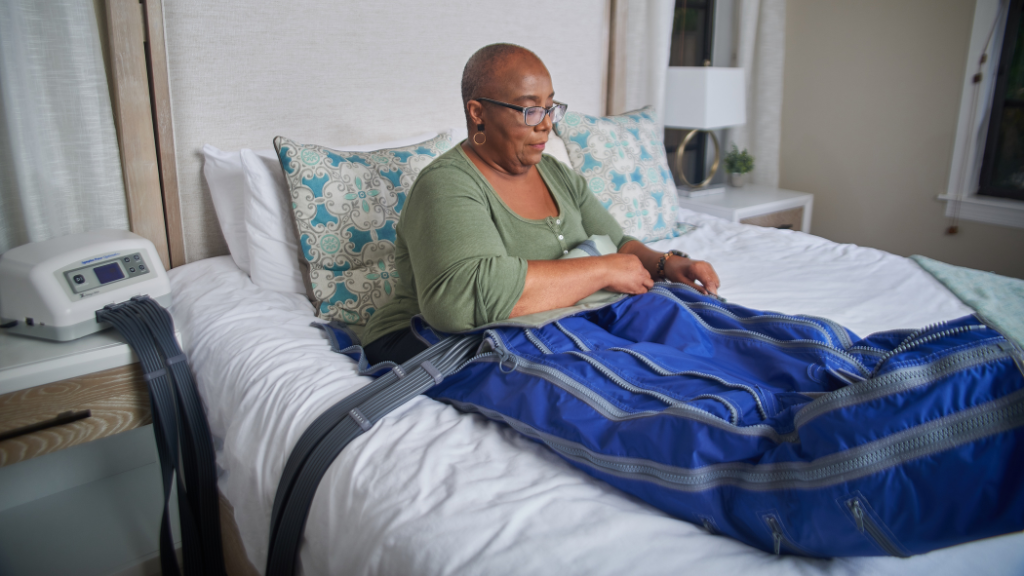
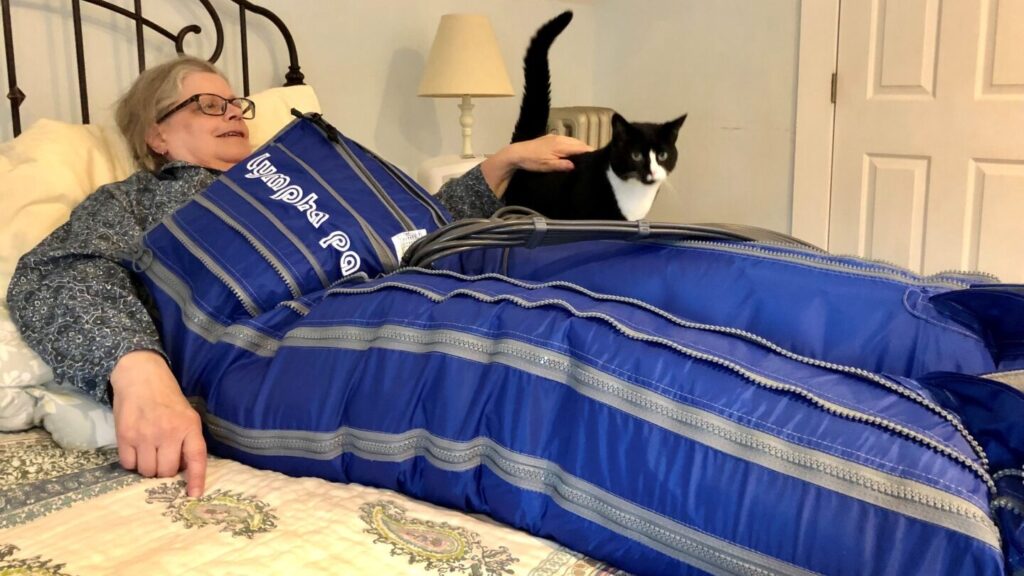
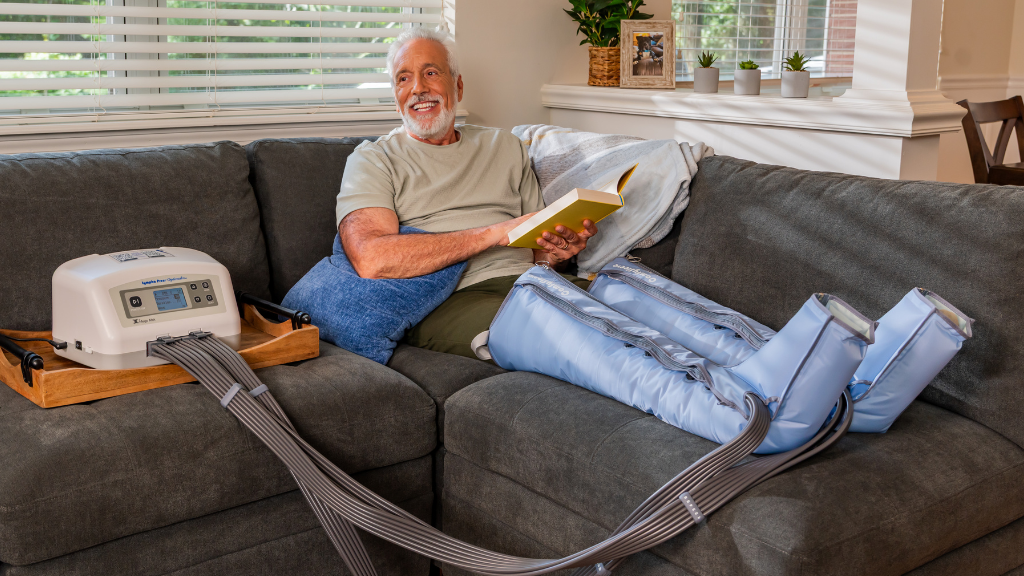
Rosenberg continues to care for the wound on her leg. She has also resumed lymphedema management, which includes daytime compression, a new nighttime compression garment, and using Lympha Press with a lower body garment twice a day. She’s also using the LymphaTouch negative pressure therapy system, which she reports has improved her lymphedema symptoms.
Looking to the Future
Rosenberg is looking forward to her first school year in two years without an open wound on her leg. Even with wound dressings, the wound had been a huge infection risk in a setting where she works with many children.
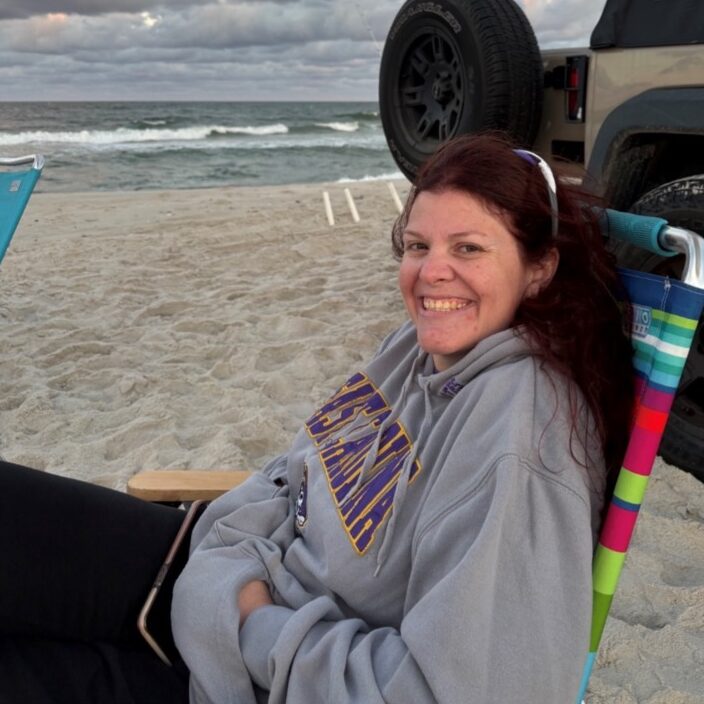
Healing has also enabled her to travel. In the past, Rosenberg avoided airline travel because of how pressure changes could aggravate her open wound, but now she’s free to fly. “Last week was the first time I’ve been able to fly to Myrtle Beach to visit my parents,” she says. “And as soon as I get cleared by my doctor, my friend and I are going to Disney World.”
For others struggling with chronic wounds, Rosenberg urges self-advocacy. “Some doctors don’t want to advocate for the more expensive treatments, like hyperbaric oxygen therapy. If you’re not getting the results you want, look elsewhere for help,” she says. “There is a path that can lead you to healing.”
Explore Lympha Press products that can help support chronic wound healing.
Photos provided by Catherine Rosenberg.