

There is a strong linkage between lymphedema and cancer, but many people don’t realize how or why.
“We commonly see lymphedema in people who have had cancer treatment, and we know the most about it in people who’ve had breast cancer,” says Penn Medicine Cancer Rehabilitation Program Director, Jasmine Zheng, MD, CLT, FAAPMR.
Understanding the connection between cancer and your lymphatic system can help you manage symptoms and protect your health. Dr. Zheng explains what cancer patients and their providers need to know.
What is the Lymphatic System?
Your lymphatic system moves and filters lymph throughout your body. Lymph is a fluid that has an immune system function, helping your body remove waste and germs. It also plays a role in fat transport and fluid balance. “When part of the lymphatic system gets broken down, it doesn’t work as well and can lead to lymphedema,” says Dr. Zheng.
Lymphedema develops when lymph builds up because your lymphatic system can’t drain it properly. This condition is typically lifelong, and it can have serious complications if it progresses.
Why Does Cancer Lead to Lymphedema?
The cancer itself typically does not directly cause lymphedema. It’s much more common for cancer treatments to lead to lymphedema.
Not everyone who has cancer develops lymphedema. However, the cancer process and treatment can affect the veins and lymphatic system and increase the risk of lymphedema. Development of cancer-related lymphedema can happen due to:
- Cancer growth: The presence of a tumor can interfere with the lymphatic system.
- Chemotherapy and immunotherapy: These cancer treatments can increase the risk of damage to the lymphatic and venous systems.
- Radiation treatment: Having radiation to treat cancer increases the risk of damage to the lymphatic and venous systems.
- Surgery: Procedures to determine the spread and stage of cancer or remove tumors may include lymph node removal.
“Staging of cancer and removal of tumors often involves sampling lymph nodes and analyzing them for cancer,” says Dr. Zheng. “When we do that, it can damage the lymphatic system.”
Where Does Cancer-Related Lymphedema Occur in the Body?
“Many people know about breast cancer-related lymphedema,” says Dr. Zheng. “However, it can occur with other cancers, too.”
Different cancers may lead to lymphedema in various parts of the body:
- Breast cancer can lead to lymphedema in the upper body.
- Gynecological and genitourinary cancers can lead to lymphatic swelling in the legs, abdomen, genitals, or pelvic area.
- Head and neck cancers can lead to swelling in any part of the head or neck, such as the face, mouth, jaw, throat, or tongue.
- Melanoma, a type of skin cancer, can lead to swelling in any area of the body affected by cancer or its treatment.
Development of Cancer-Related Lymphedema
“Swelling caused by a buildup of protein-rich lymphatic fluid in the tissues is the most recognizable symptom of lymphedema. This specific kind of swelling occurs due to lymphatic system changes that result in fluid accumulation. It can mimic other causes of swelling, such as heart failure, blood clots, or kidney disease,” says Dr. Zheng.
Early-stage lymphedema may have no visible swelling, but there are other signs to watch out for. “Patients, caregivers, and providers need to know the signs of lymphedema,” says Dr. Zheng. “Catching it early makes a huge impact on avoiding complications and preserving mobility, function, and quality of life.”
Dr. Zheng describes three things people living with cancer and their providers should be aware of:
1. When Cancer-Related Lymphedema May Develop
Lymphedema shows up most commonly within the first few years after lymphatic injury. But the timeline can vary depending on the type of cancer and treatment.
Dr. Zheng notes that the risk of lymphedema decreases as more time has passed since the initial injury. However, there is a lifelong risk, and it is possible for lymphedema to occur many years after cancer treatment.
While less likely, it is important to rule out other causes of swelling, such as a blood clot or cancer recurrence. These two causes are more likely to present with pain, unlike lymphedema, which is usually accompanied by heaviness or tightness.
2. Early Lymphedema Signs to Watch For
Before swelling shows up, you may experience subtle symptoms in a limb or area of the body. These early signs include sensations of:
- Fullness
- Heaviness
- Tightness
- Tingling
Early symptoms can progress to noticeable swelling, and when swelling first begins, it may come and go. The swelling might go away when you rest or elevate the swollen limb. “With treatment, lymphedema may still be reversible at this point,” says Dr. Zheng.
3. Later Symptoms of Lymphedema
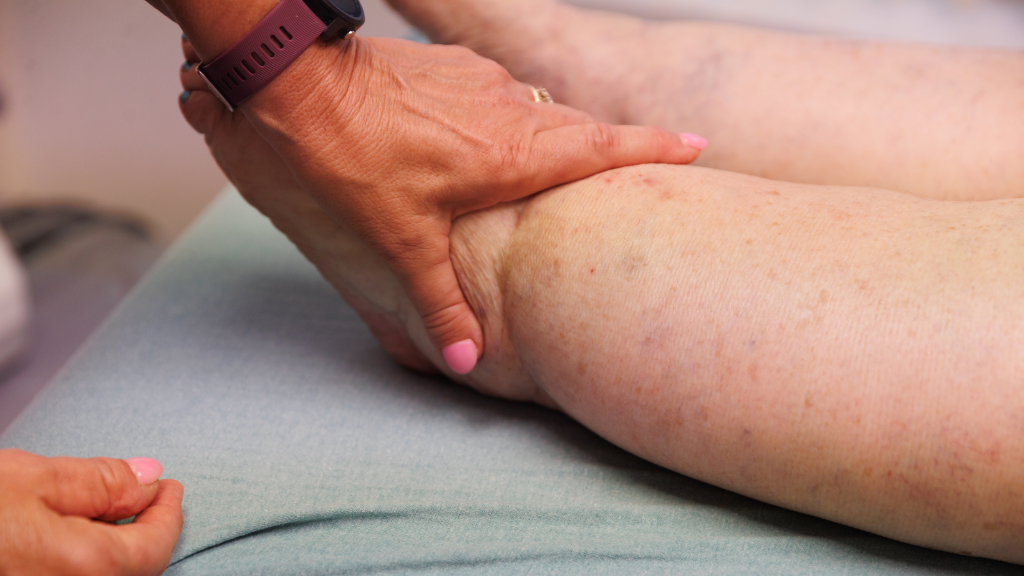
When lymphedema worsens, the swelling doesn’t go away. “If lymphedema progresses, the affected tissues start to change and feel harder. Fibrotic tissue begins to develop,” says Dr. Zheng.
In later stages of lymphedema, you will see skin changes such as darkening, hardening, thickening, or wart-like growths. “You’re at a high risk for wounds and infections,” says Dr. Zheng. “There’s a high risk of cellulitis, a skin infection that can be life-threatening if it spreads through the body, if severe or not treated in a timely manner.”
Addressing Lymphedema During Cancer Treatment
“People who are still in cancer treatment are going through so much,” says Dr. Zheng. “During that time, managing lymphedema can understandably be the least of their concerns.”
The “gold standard” of lymphedema treatment includes intensive therapy with a lymphedema therapist, compression garments, and a home maintenance program. However, a full lymphedema treatment program may not work for people in the middle of cancer treatment.
“Someone undergoing chemotherapy may be very fatigued or have many medical appointments, limiting their ability to go to frequent lymphedema therapy visits,” says Dr. Zheng. “Some people have active wounds due to radiation or surgery, so we have to wait to treat the lymphedema in the affected area.”
Intermittent Pneumatic Compression (IPC) for Cancer-Related Lymphedema
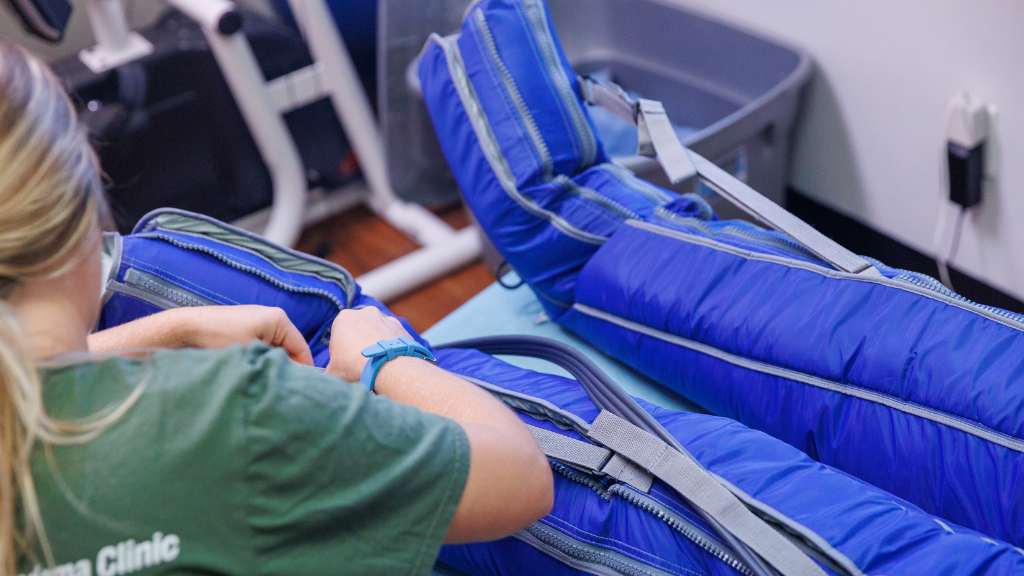
“IPC pumps can come close to simulating what a lymphedema therapist does during manual lymph drainage,” says Dr. Zheng. “It doesn’t replace compression garments and exercises. A lot of people love them. We often prescribe an IPC pump for home use.”
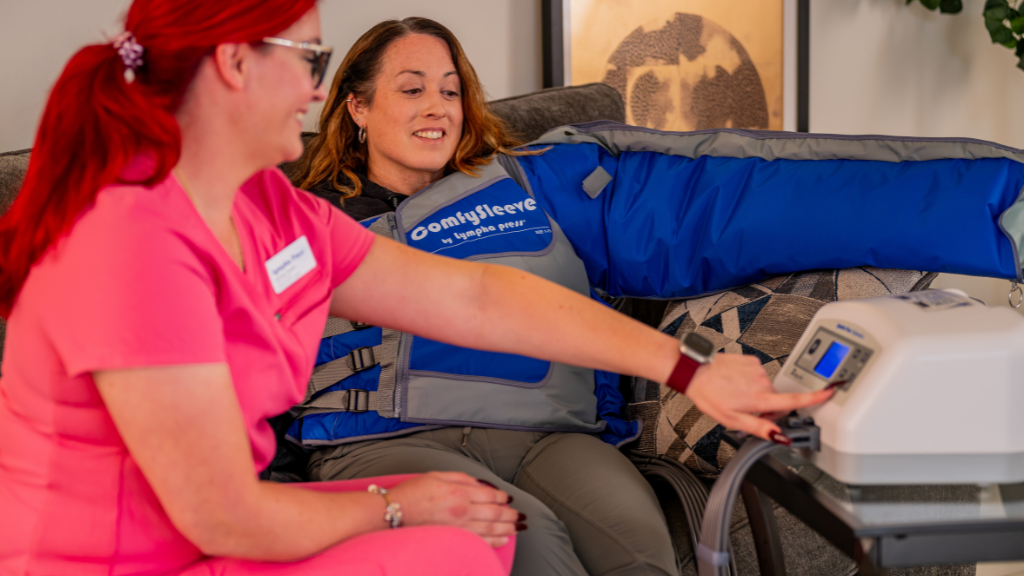
Lympha Press is an IPC device that uses inflatable sleeves to apply rhythmic pressure to move fluid and improve blood circulation. Used in combination with other components of lymphedema management, IPC can be very helpful in reducing limb heaviness and softening tissues.
Lympha Press has specially fitted garments designed to help people who develop cancer-related lymphedema. These include upper-extremity garments that treat the axilla (armpit) and chest wall, which many people find comfortable and relaxing to wear.
Provider Awareness is Key
Dr. Zheng recommends that providers watch closely for and monitor for any symptoms of lymphedema in patients with a cancer history. “You always want to rule out other possible causes of swelling, like blood clots, heart failure, or kidney disease, too,” she says.
Lymphedema can be challenging to diagnose, but identifying it early is critical because it’s more difficult to treat in later stages. “If your patient has swelling due to lymphedema, you want to make sure they are connected with a lymphedema clinic or a lymphedema therapy team as soon as possible,” says Dr. Zheng.
If you’re experiencing lymphedema symptoms after cancer treatment—or caring for patients who are—Lympha Press can help.