Lipedema is a chronic condition that affects about 11% of women and causes an abnormal type of fat to form, usually in the legs, hips, or arms. This type of fat can be painful, may limit mobility, and typically doesn’t respond to diet and exercise.
A specialized surgery, known as lipedema surgery, can remove lipedema fat deposits, improving mobility and quality of life. The intensive procedure, also known as lipedema reduction surgery, often comes with a challenging recovery.
Boris Volshteyn, MD, a board-certified plastic surgeon, explains what causes lipedema and the surgical benefits of using intermittent pneumatic compression (IPC).
What Causes Lipedema?
In women, lipedema often begins around puberty and may worsen during other hormonal changes, such as pregnancy or menopause.
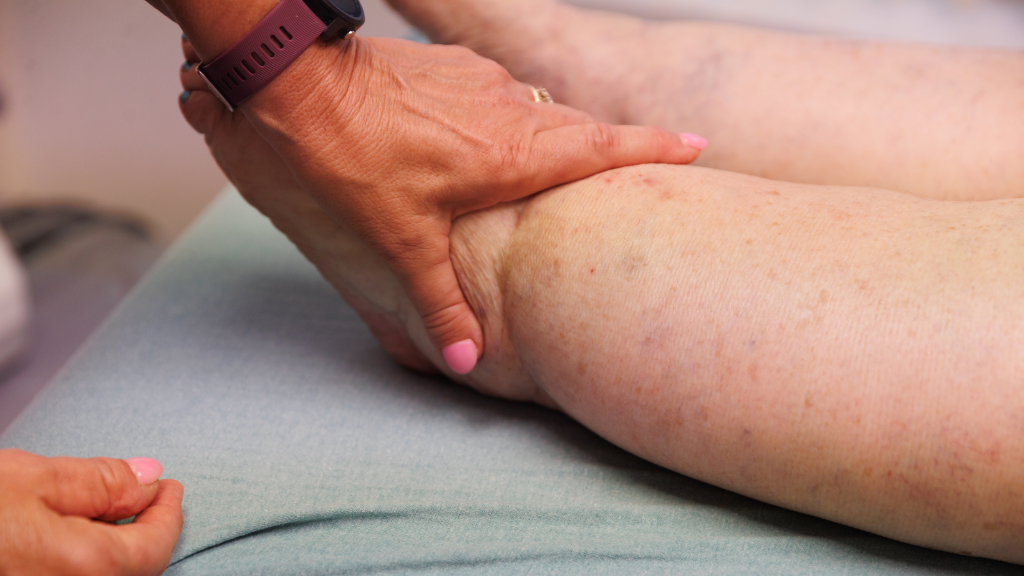
“Lymph accumulates in the lymphatic vessels and starts leaking into areas under the skin,” says Dr. Volshteyn. Lymph fluid collects in fat tissue, causing inflammation, enlargement of fat cells, and symptoms, such as:
- Easy bruising
- Heavy, painful, and swollen legs
- Hypersensitivity to touch
Lipedema Progression and Effect on Daily Life
Lipedema typically progresses with age and may begin affecting other parts of the body, including the torso and arms. This condition can lead to:
- Daily activity limitations
- Extreme fatigue
- Mobility difficulties
- Sleep problems
Dr. Volshteyn says that in addition to the symptoms, social stigmas and misdiagnosis can make living with lipedema extremely challenging. Providers who don’t understand lipedema often advise patients to eat less, even though dieting may have little effect. This advice sometimes leads to eating disorders in people living with lipedema.
How Lipedema Surgery Can Help
There are treatments to slow the progression of lipedema by reducing swelling, but they don’t reduce fat nodules. These treatments include:
- Complete decongestive therapy (CDT): Bandaging and compression of the areas of fluid buildup.
- Home management: Skincare, nutrition, infection prevention, and decongestive exercises to help your body move lymph fluid to reduce swelling.
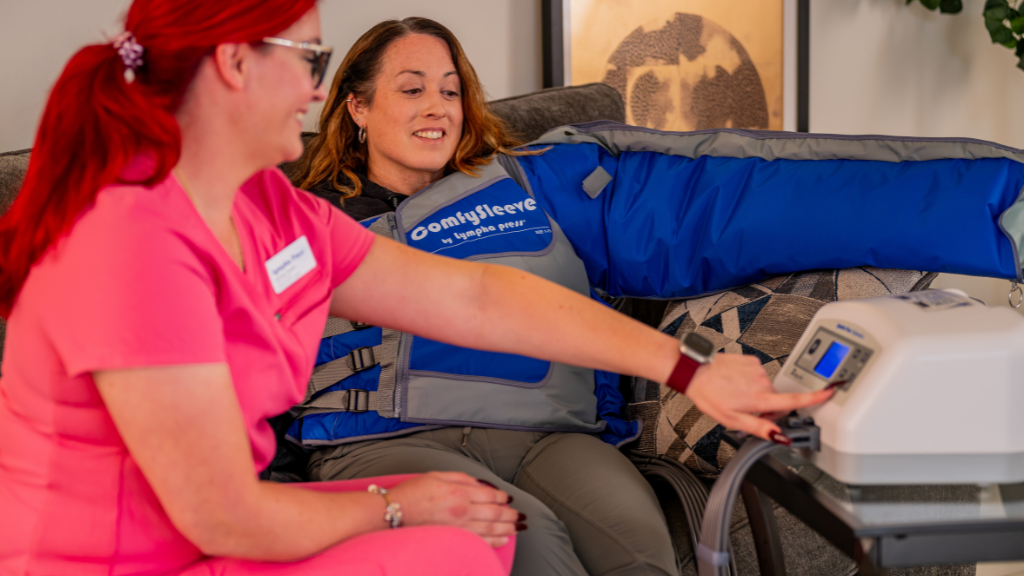
- Intermittent pneumatic compression (IPC): These devices use air to apply a special compression and release sequence to move and reduce fluid in your body. IPC is also known as pneumatic compression.
- Manual lymphatic drainage (MLD): Light massage techniques to help drain fluid from swollen areas.
Lipedema surgery is the process to physically remove the abnormal fat deposits, providing symptom relief and improvements in:
- Appearance
- Function
- Mobility
- Quality of life
The Benefits of IPC Before Lipedema Surgery
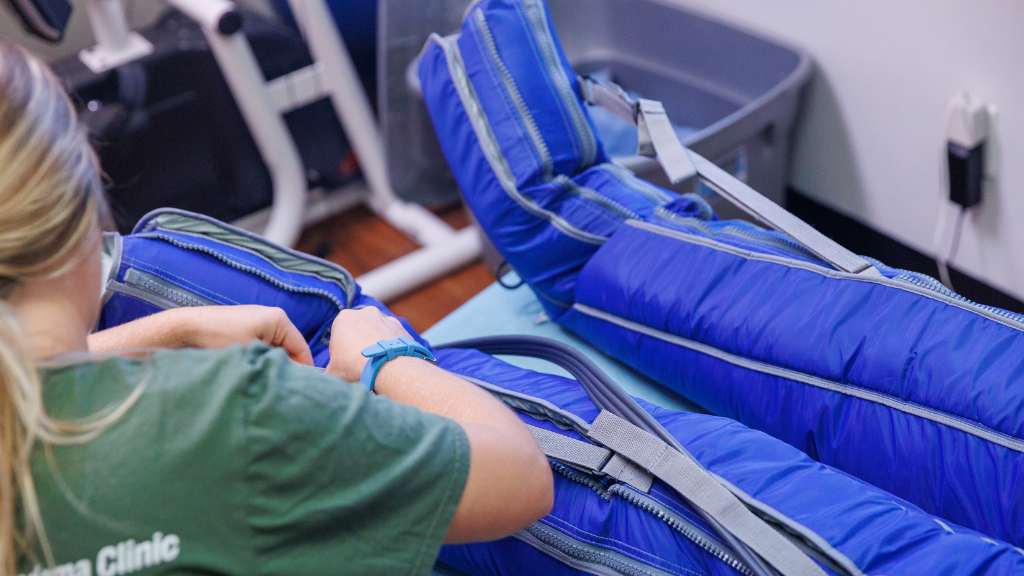
IPC options, such as Lympha Press, use a device with inflatable sleeves that fit around areas of the body with excess fluid. A pump connected to the sleeves delivers rhythmic compression, moving fluid away from congested areas.
Dr. Volshteyn says that IPC before lipedema surgery provides benefits, including:
- Better surgical precision due to improved tissue definition
- Less blood loss during surgery
- Reduced risk of blood clots
“If you go into surgery with congestion and lymph fluid in the tissues, there’s a higher chance of forming seromas,” says Dr. Volshteyn. Seromas are pockets of fluid that can form under the skin after nearly any type of surgery. “This fluid accumulation kind of defeats the purpose of the surgery, so using IPC to dry up the tissues before surgery is helpful.”
What Happens During Lipedema Surgery?
Lipedema surgery is similar to cosmetic liposuction, but is much more extensive. The procedure involves removing fat from deep layers of tissue using a hollow tube and a suction machine.
Wearing external compression on the treated areas immediately after surgery helps collapse the tissues and reduce fluid leakage. Compression also helps the body form a thin layer of scar tissue, which provides structure to the lymphatic system and facilitates fluid drainage.
Using IPC After Surgery
“MLD is also helpful after surgery, but many patients have a hard time finding an MLD therapist or getting MLD often enough,” says Dr. Volshteyn. “It’s more convenient to have an IPC machine at home to use. It’s a wonderful addition to surgery recovery.”
Dr. Volshteyn notes that although IPC is beneficial after lipedema surgery, patients should not use it for at least two to four weeks after the procedure. Once it’s safe to use IPC, sleeve sizing and pump settings may require adjustment.
Benefits of using IPC after surgery include:
- Lower risk of complications such as bleeding
- Reduction in swelling
- Speedier recovery
Life After Lipedema Surgery
The recovery process after lipedema surgery is very challenging, but most people experience significant improvements in:
- Mobility
- Overall quality of life
- Pain and heaviness in the affected limbs
Many people with lipedema require multiple surgeries, but Dr. Volshteyn reports that nearly all his patients say it’s worth it. He’s seen people progress from using walkers and wheelchairs to moving independently after a series of lipedema surgeries. “This surgery is not a walk in the park, but from a happiness, satisfaction, and quality of life standpoint, it’s remarkable,” he says.
Explore the Lympha Press products that can help you or your patients prepare for and recover from lipedema surgery.