Lymphedema, a chronic condition of the lymphatic system, is easier to treat and may even be reversible in the early stages. Later-stage lymphedema is more challenging to manage and can lead to complications like disability and serious recurrent infections.
International Lymphedema & Wound Training Institute’s Director of Compression Education, Suzanne Ehmann, DPT, CLWT, CWS, CLT–LANA, has spent 20 years treating people living with lymphatic disorders. Dr. Ehmann discusses the importance of treating lymphedema as early as possible and what patients and providers should watch for.
What Happens if Lymphedema Isn’t Treated Early?
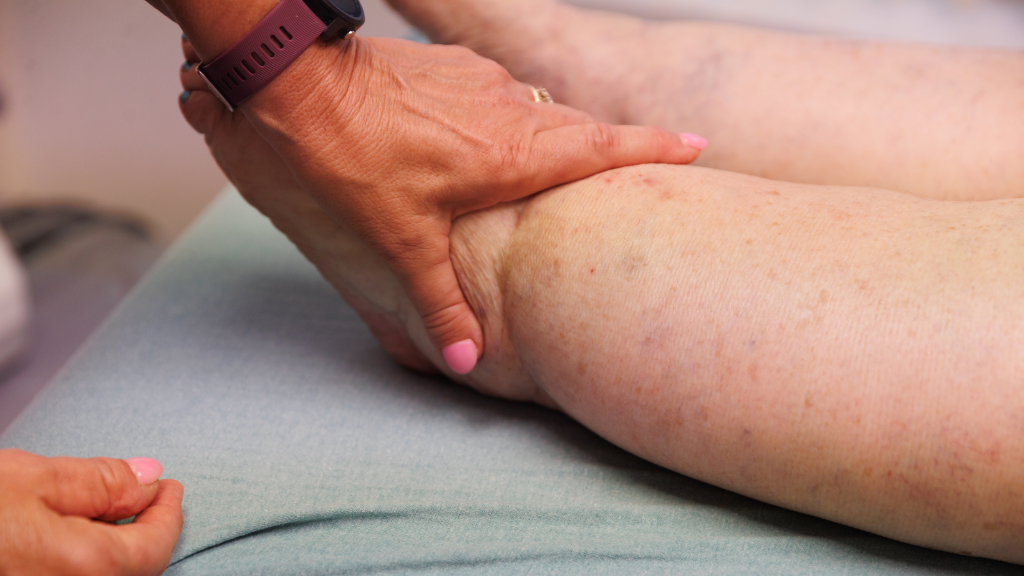
Lymphedema is caused by a buildup of lymph fluid, leading to swelling. This condition typically progresses through stages, and without treatment, it may have serious medical and quality-of-life consequences.
“With delayed treatment, lymphedema causes inflammation within the tissues that leads to damage,” says Dr. Ehmann. “When you miss that early treatment window, you often end up trying to manage permanent damage.”
Later-stage lymphedema may lead to:
- Cellulitis and recurrent infections that can be life-threatening
- Chronic inflammation in swollen areas of the body
- Fatty deposits and hardened, fibrous tissue (fibrosis)
- Loss of mobility that can cause disability
- Pain and stiffness
- Social isolation and mental health challenges
The Cost of Early Treatment vs. Later Management
Later-stage lymphedema may require intensive and expensive care, including frequent therapy, hospitalizations, and even surgical procedures. Managing lymphedema in the earlier stages is simpler and less costly.
“It is so much easier to have someone wear a compression sleeve or a nighttime compression garment than send them for full-on treatment,” says Dr. Ehmann. “With a full treatment regimen, they have to go to a clinic. They have to take time off work. If they have an infection, they may end up in the hospital. They may develop a wound that doesn’t heal well.”
What Are Lymphedema Risk Factors?
Knowing who is at risk for lymphedema is the key to catching it early. Risk factors for lymphedema include:
- Cancer treatments, such as surgery, lymph node biopsy or removal, and radiation therapy
- Family history of lymphedema
- Major joint surgeries, such as hip or knee replacement
- Obesity
- Vein problems, such as chronic venous insufficiency
“If someone has risk factors, providers should treat them for lymphedema before symptoms become visible,” says Dr. Ehmann. “Ideally, we want to address lymphedema at stage zero, before there are signs of swelling.”
Early Lymphedema Signs to Watch For
Early lymphedema symptoms are usually subtle and often include:
- Full, heavy, or tight feeling in a limb or joint
- Indentations in the ankles or feet left by socks or shoes
- Swelling that comes and goes
“These signs tell you that your system is struggling, and you shouldn’t ignore them,” says Dr. Ehmann. “It’s not OK to have swelling at the end of the day, even if it goes away. These symptoms tell you something is wrong.”
How Providers Can Be Proactive
Dr. Ehmann believes that providers can do more to identify early signs of lymphedema. “It’s really about being a good investigator, noticing the signs, and educating the patient on what to look for,” she says. She urges providers to:
- Know the risk factors of lymphedema
- Act on risk before noticeable swelling occurs
- Treat subtle symptoms and slight size differences between limbs as early warning signs
“It’s important for providers to understand that lymphatic impairment is not defined by the size of the body or the amount of swelling in the limb,” Dr. Ehmann emphasizes. “Lymphedema happens in people of all sizes, and you shouldn’t wait for severe swelling to do something.”
Treating Edema vs Early Lymphedema
Swelling from edema and early-stage lymphedema can look similar. However, lymphedema is a chronic lymphatic disease and edema is usually a symptom of:
- Heart, kidney, or liver conditions
- Injury or inflammation
- Medication side effects
- Prolonged sitting or standing
- Venous conditions
Even though they are different conditions, Dr. Ehmann advocates treating them similarly, especially in people at risk of lymphedema. “If a person with lymphedema risk factors has any swelling, we should be using compression,” she says. “We should be preventive, so we’re not allowing further damage to the venous and lymphatic systems.”
Early Intervention for Lymphedema
Dr. Ehmann notes that early intervention is about being proactive and supporting the lymphatic system before the damage becomes permanent.
Treating early-stage lymphedema usually involves practical steps and management, such as:
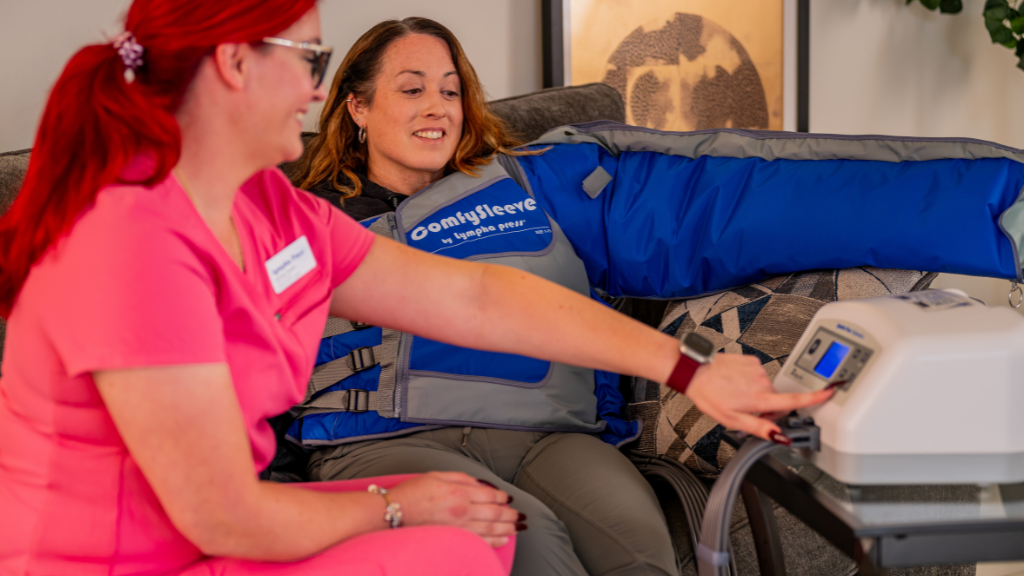
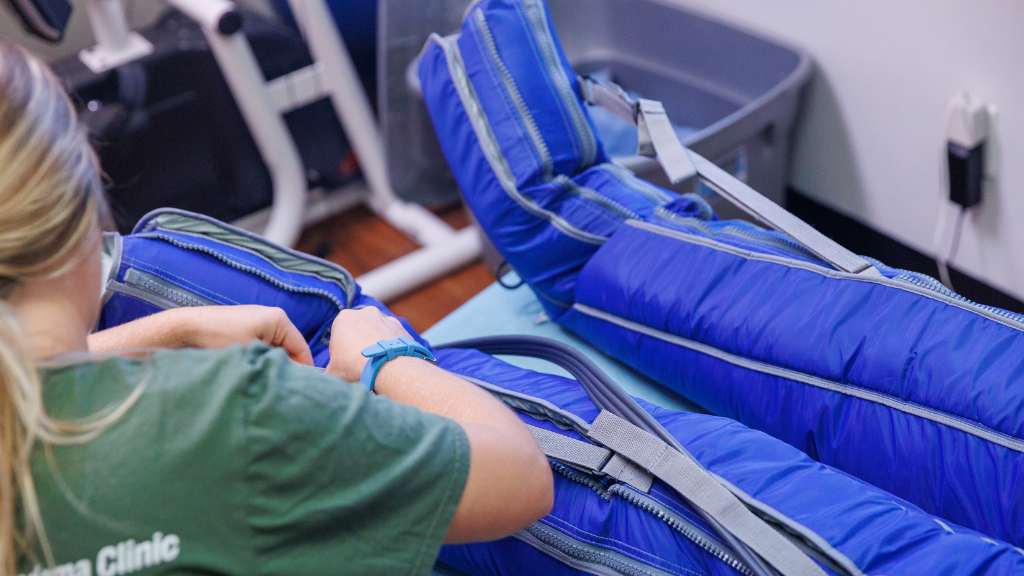
- Medical-grade compression: Wearing professionally fitted compression garments and using intermittent pneumatic compression (IPC) devices helps limit fluid buildup and protect the lymphatic system.
- Movement and exercise: Regular movement helps the muscles pump lymphatic fluid away from swollen areas.
- Skin care and infection prevention: Keeping skin clean, moisturized, and protected lowers the risk of infections and wounds.
- Education and self-monitoring: It’s vital to educate on spotting changes, using garments and IPC pumps correctly, and talking to providers about challenges.
Early Intervention Is Empowering
It’s essential to listen to patients when they report subtle symptoms and to provide helpful interventions. “Just telling people to lose weight or put their feet up leaves them feeling hopeless,” says Dr. Ehmann. “But being heard and understood, and then treated appropriately, can be life-changing.”
When providers give patients early lymphedema treatment, it’s empowering. “You’re giving them the right tools they need to take control of their health and their lives,” says Dr. Ehmann.
Intermittent compression devices are powerful tools for preventing the progression of lymphedema. Explore which Lympha Press product may be right for you or your patient.