Many people with lipedema spend years trying to understand the disproportionate body shape, pain, swelling, and weight gain that the condition causes. It may take just as long to find a provider who sees the full picture.
Lipedema doesn’t develop or progress due to a lack of willpower. It is a chronic condition that deserves careful diagnosis, compassionate education, and whole-person care.
Dawn Brinkman, OTD, MS, OTR/L, CLT-LANA, WCC, works with people living with lipedema and related conditions. She explains why clinicians often misdiagnose lipedema as obesity or lymphedema and what better care can look like.
Why Lipedema Misdiagnosis Can Last for Years
Lipedema is a loose connective tissue disease that is associated with dysfunctional adipose (fat) tissue, inflammation, and abnormal fat cell regulation in the body. It causes nodules of fatty tissue to develop, usually in the legs, which many clinicians mistake for weight gain.
Brinkman says many medical education programs don’t properly teach clinicians how to identify lipedema. This lack of awareness can delay diagnosis for decades.
Family history can make lipedema symptoms seem hereditary, especially if relatives weren’t treated effectively.
How Family History Can Hide Lipedema Symptoms
If your mother or grandmother had similar symptoms, lipedema may look like “how our family is built.” Brinkman sees this pattern often, and she says recognizing it can be the first step toward better care.
There are many ways to treat lipedema and improve symptoms, but proper treatment first requires the right diagnosis. A provider may use the following information to identify lipedema:
How Lipedema May Feel
Clinicians may mistake lipedema for weight gain alone. But Brinkman says pain often gives the biggest clue.
Many people with lipedema describe pain during everyday moments, such as:
- Holding a child on their lap
- Lying on the floor to exercise
- Sitting in a chair or bar stool
- Standing for long periods
- Walking upstairs or stepping over a curb
Other Signs of Lipedema
During an exam, a trained clinician may feel nodules under the skin, which is a common sign of lipedema. These nodules may feel tiny—the size of rice grains—or larger.
Symptoms and other clues pointing to lipedema, which typically begin in puberty, may include:
- Disproportionately larger hips, thighs, buttocks, legs, or arms
- Easy bruising
- Fibrotic or hardened tissue
- Heavy feeling in the legs
- Painful or tender areas
Brinkman says people with lipedema often have other specific conditions, such as:
- Allergies or possible mast cell concerns, such as mast cell activation syndrome (MCAS)
- Hypermobility or loose joints
- Lymphedema
- Obesity
Recognizing Lipedema and Lipo-lymphedema
Lipedema and lymphedema differ, but they can overlap. Lymphedema develops when lymph fluid builds up in the body. Clinicians use lipo-lymphedema to describe when lipedema and lymphedema occur together.
Signs of lipo-lymphedema may include:
- Pitting swelling, where pressing into swollen tissue leaves an indentation
- Swelling that does not fully improve overnight
- Swelling that remains even after elevating the legs
- Asymmetry between the two sides of the body
Lipedema Is Not Obesity
Brinkman says many people living with lipedema try diets, exercise plans, and weight loss programs for years without much weight loss progress. Lipedema fat doesn’t respond to these efforts the way regular fat does, but many providers don’t understand this.
When providers say, “just lose weight,” people living with lipedema can feel judged or dismissed. That message can deepen shame, anxiety, and mistrust.
“Lipedema is an adipose and connective tissue disease, not an overeating or a lack of exercise disease,” says Brinkman. “Proper education can change how people feel about the condition and their bodies.” She notes that some people have lipedema and obesity and, in those cases, providers must address both conditions.
How Education Brings Breakthroughs
For Brinkman, patient education comes early when she starts seeing a new client. She helps people living with lipedema understand what researchers know about this condition.
“When patients understand the science, they start to see that this is not their fault,” Brinkman says. “That knowledge can soften years of self-blame. Instead of fighting your body, you can start learning how to support it.”
Making Food Conversations More Supportive
Food choices can play a key role in managing lipedema. Brinkman says that food conversations between patients and clinicians work better when they focus on information rather than judgment. She prefers to help people notice how different foods affect their bodies.
A food journal can help you spot patterns. You may notice that some foods feel like they fuel you, while others increase swelling or inflammation.
Brinkman emphasizes that diet changes aren’t about restriction. They’re about understanding how your unique body reacts to different foods and giving you more confidence in caring for yourself.
Lipedema Treatment Is Individual
Better lipedema treatment means personalizing your care plan. It starts with your own goals.
Brinkman asks her clients what matters most to them. Some want less pain, better mobility, or the ability to buy pants that don’t require alterations to fit well. Others may want to be able to sit through work or comfortably hold a child on their lap.
A Well-Rounded Lipedema Care Team
A strong lipedema care plan may include several specialists, depending on your needs. Brinkman has noticed that coordinated care teams help people feel fully supported, and that’s when the greatest improvements happen.
Primary care providers are typically the first clinician to help begin the care journey. Lipedema or lipo-lymphedema care teams also may include:
- Certified lymphedema therapists (CLTs)
- Vascular specialists
- Obesity medicine, endocrinology, or metabolic health specialists
- Registered dietitians who understand lipedema
- Physical or occupational therapists
- Mental health professionals
- Lymphatic surgeons, when appropriate
Not everyone needs every specialist. The right team depends on your symptoms, goals, and access to care.
Lipedema Self-Management Tools for Daily Life
Lipedema management usually includes daily care strategies to reduce symptoms, support mobility, and help you feel more in control.
Exercise is part of a lipedema care plan. Gentle movement, especially aquatic exercise, supports circulation and mobility. Brinkman encourages people to choose movement that feels sustainable. “I tell people to find the fit in fitness,” she says. “Choose the type of activity that fits you.”
A care plan may include:
- Complete decongestive therapy (CDT): This therapy combines manual lymphatic drainage (MLD), compression, exercise, and skin care.
- Compression garments: Professionally fitted garments can support tissue and improve comfort.
- Education and support: Reliable resources can help you feel less isolated.
- Food tracking: A journal can help identify foods that seem to worsen inflammation.
- Manual lymphatic drainage: This gentle therapy can support lymph flow when appropriate and may be part of your therapy sessions and home care.
- Skin care: Clean, moisturized skin helps lower the risk of irritation and infection.
Pneumatic Compression for Lipedema and Lipo-lymphedema
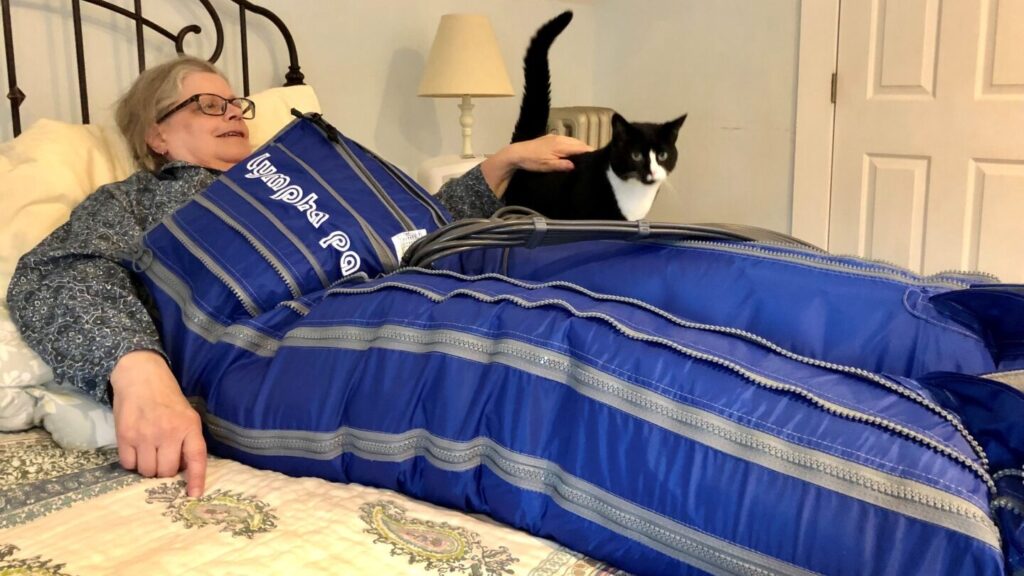
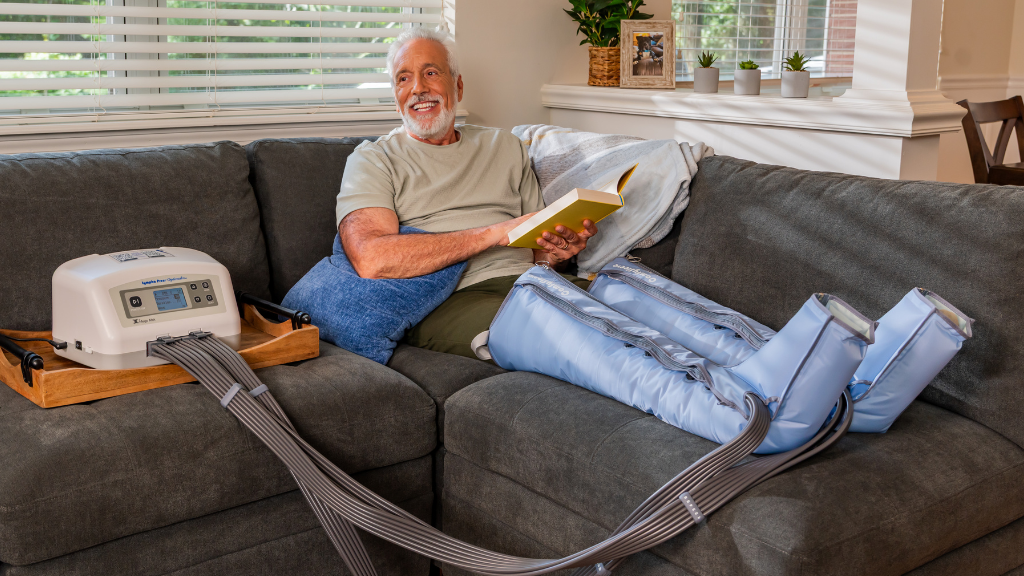
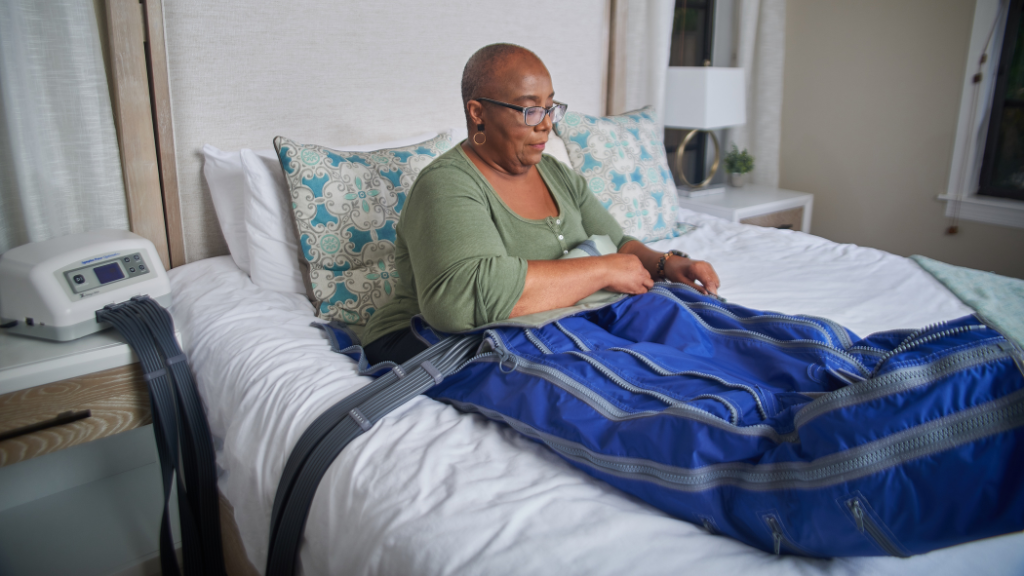
Intermittent pneumatic compression (IPC) can support home management for lipedema or lipo-lymphedema. IPC devices use inflatable garments connected to a pump. These garments apply gentle, rhythmic pressure, which helps support fluid movement and circulation.
Brinkman says IPC is also helpful when lipedema tissue begins to harden or become fibrotic, which happens as lipedema progresses. Fibrotic tissue makes fluid harder to move, leading to more swelling.
How Home Compression Can Improve Daily Comfort
A home IPC device may help you treat areas you cannot easily reach yourself. These areas may include the lower back, buttocks, feet, or lower legs.
Brinkman often recommends Lympha Press® systems with lower body garments for lipedema home treatment. The adjustable chambers on Lympha Press garments can be especially helpful to people who feel sensitivity or pain in certain areas.
For some people, pneumatic compression offers comfort beyond fluid movement. Brinkman says steady compression can feel calming to the nervous system, almost like a gentle hug. “People often come out of their pumping sessions able to tolerate touch more easily,” she says.
When Surgery May Become Part of Lipedema Treatment
CDT and home treatment play important roles, but some people may also need surgery to remove lipedema tissue.
Brinkman cautions that lipedema surgery does not offer a quick fix. Some people need a long series of staged procedures and extensive support before and after surgery.
A lymphatic surgeon or reconstructive or plastic surgeon who specializes in lipedema can help determine whether surgery is right for you. Surgery works best as part of a broader care plan that you continue for life.
Where to Start if You Think You Have Lipedema
If you think you may have lipedema, start by documenting your symptoms. You can also take photos over time. Photos may help your provider understand the body changes you’re experiencing.
Brinkman recommends these steps:
- Track pain, bruising, swelling, and mobility changes.
- Explore education and support, including Lympha Press roundtables.
- Look for clinicians with experience in lipedema or lymphedema. You can search for clinicians in the Lipedema Foundation Provider Directory or ask your primary care provider for a referral.
- Bring your family history and symptom timeline to appointments.
Better Lipedema Care Begins With Being Heard
Support groups, educational roundtables, and trusted online resources can help reduce the isolation that many people living with lipedema feel. They can also help you find answers.
With education, earlier diagnosis, the right care team, and self-management tools, you can better understand your body and slow the progression of lipedema.
If you’re managing lipedema or lipo-lymphedema, Lympha Press can help. Explore Lympha Press products that support at-home compression care.