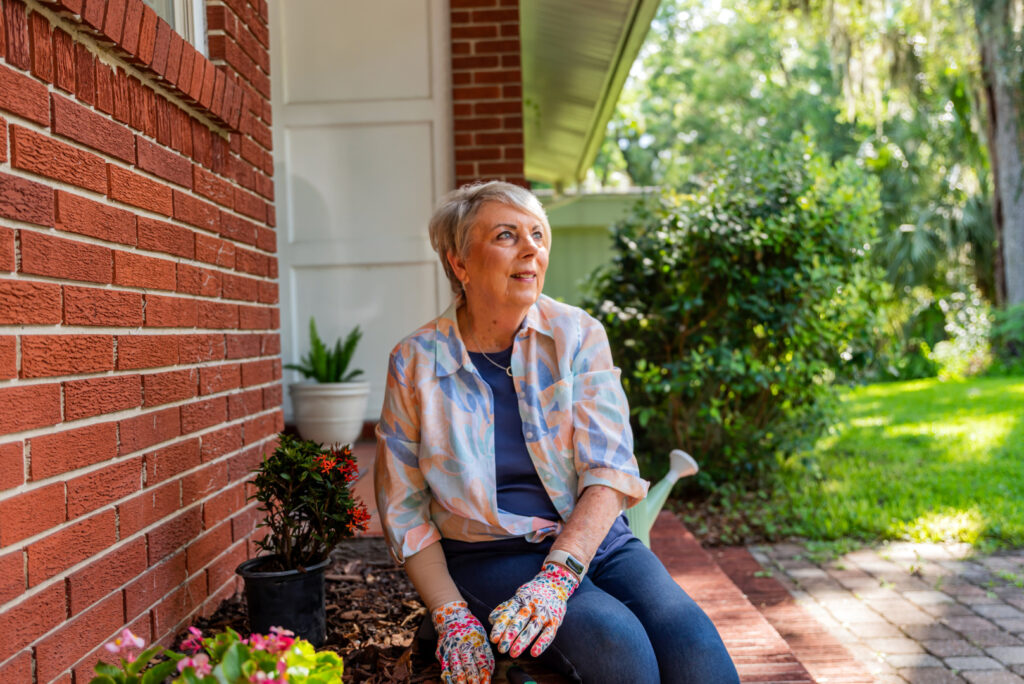
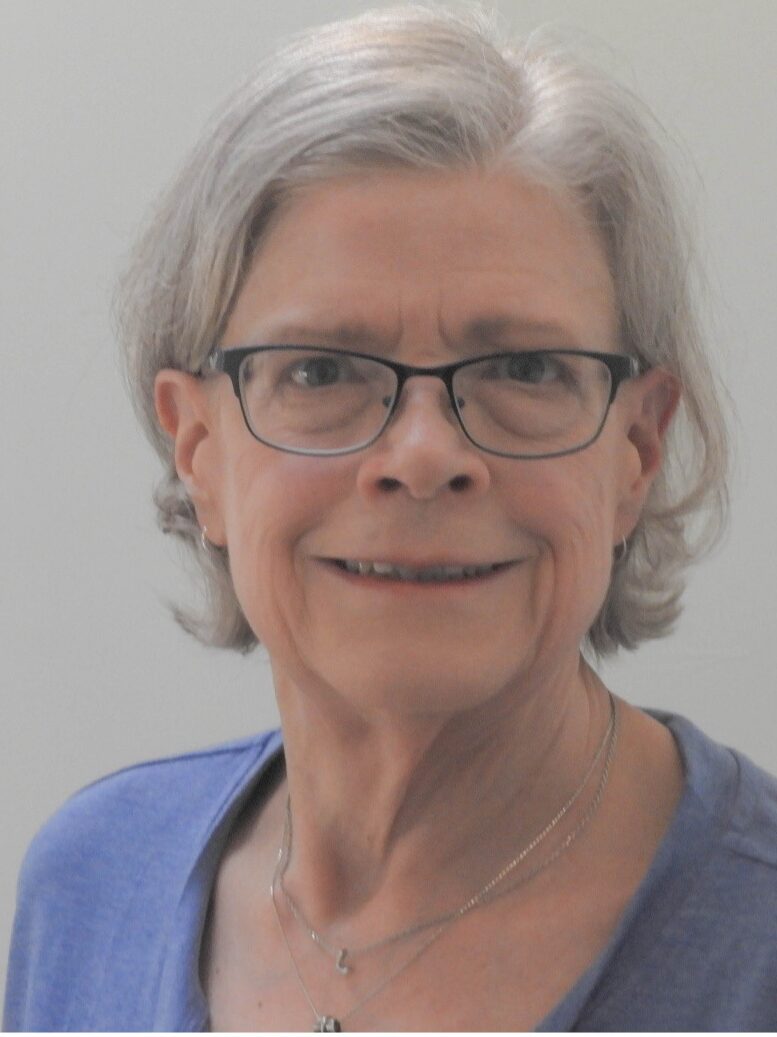
Jenny Beaujean lived with lipedema symptoms for decades before she had a name for what she was experiencing before she was finally diagnosed at 59. After years of unexplained symptoms, this delayed diagnosis gave her clarity and a path forward. She now uses daily self-care, community support, and advocacy to manage her condition.
Beaujean is a founding member and current Secretary of the American Lipedema Association, a patient advocacy organization. For Lipedema Awareness Month, she shares her lipedema journey and offers words of wisdom for anyone struggling with this condition.
Early Lipedema Symptoms: “I Knew I Was Different”
Beaujean first noticed something was different about her body as a teenager. Her legs were larger than her peers’ and finding clothes that fit was a constant challenge.
Despite her challenges, Beaujean stayed active and built a full life. She worked physically demanding jobs, including roles with the National Park Service and Massachusetts state parks. Through it all, she adapted, but she never stopped wondering why her body felt different.
Dismissed and Misunderstood
When Beaujean brought her concerns to medical providers, she didn’t get answers. Instead, providers tended to focus on her weight. “I would say, ‘But look at my legs,’” she recalls. “And they’d say, ‘You just need to lose weight. It will fix itself.’”
Feeling dismissed and unheard, Beaujean stopped seeking medical care unless it was absolutely necessary. For nearly 20 years, she lived with pain, changes in her body, and unanswered questions.
How a Lipedema Diagnosis Later in Life Changed Everything
Beaujean didn’t get answers until a serious health event forced her to seek care. At 59, she was hospitalized for 12 days with a cellulitis infection, and it was her first time ever being in a hospital. Cellulitis is a potentially serious infection that starts in or under the skin but can spread to the bloodstream.
After Beaujean returned home, her doctor diagnosed her with lymphedema, then referred her to a certified lymphedema therapist (CLT). That appointment changed everything. “The first thing she said to me was, ‘Do you know you have lipedema?’” Beaujean says. “And I thought, what the heck is that?”
What Is Lipo-Lymphedema? Understanding Combined Conditions
That appointment with the CLT was the first time Beaujean had ever heard the word “lipedema.” Like many people living with this condition, she actually had lipo-lymphedema, a combination of two conditions:
- Lymphedema: Lymph fluid builds up in the body and causes swelling, often in the arms or legs
- Lipedema: Inflammation leads to abnormal fat buildup, usually in the legs and arms, along with pain and tenderness
A New Chapter: Learning to Manage Lipedema
Beaujean’s therapist guided her through treatment and pointed her toward resources to learn more. Beaujean brought that information back to her physician, who added lipedema to her lymphedema diagnosis.
After decades of confusion, Beaujean finally had an explanation for the swelling and other symptoms in her legs. She began a journey of learning, experimentation, and a new approach to her health.
At first, the amount of information felt overwhelming. Beaujean found guidance through her therapist and online communities, but quickly realized she couldn’t do everything at once.
“I had to back off and take it one step at a time,” Beaujean says. That mindset became the foundation for how she approached managing lipedema.
Daily Routine for Managing Lipedema
Over time, Beaujean created a daily regimen to support her health. Her routine includes:
- Compression: Wearing compression garments daily
- Diet: Adjusting her diet based on personal food sensitivities and avoiding foods that cause inflammation
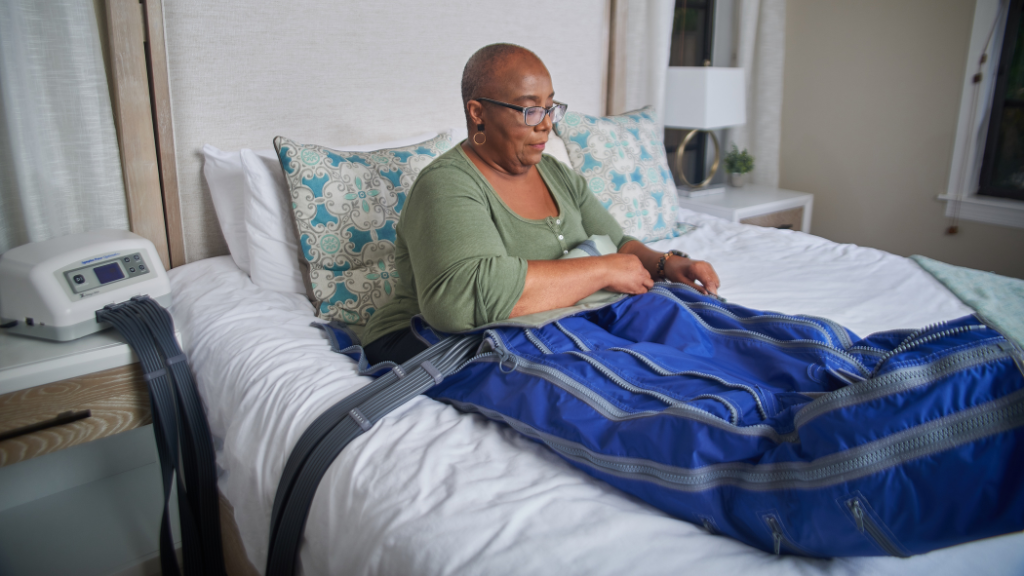
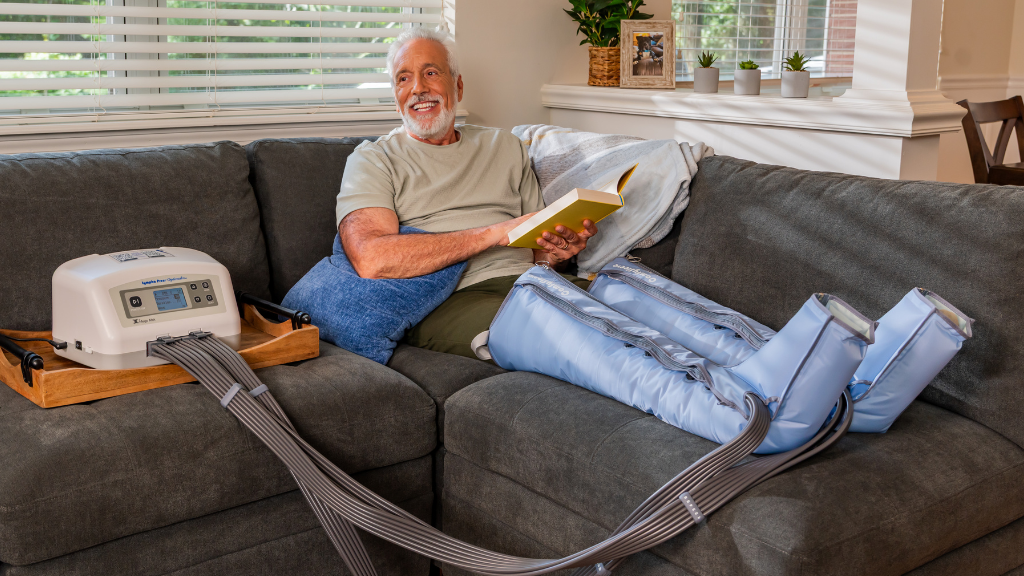
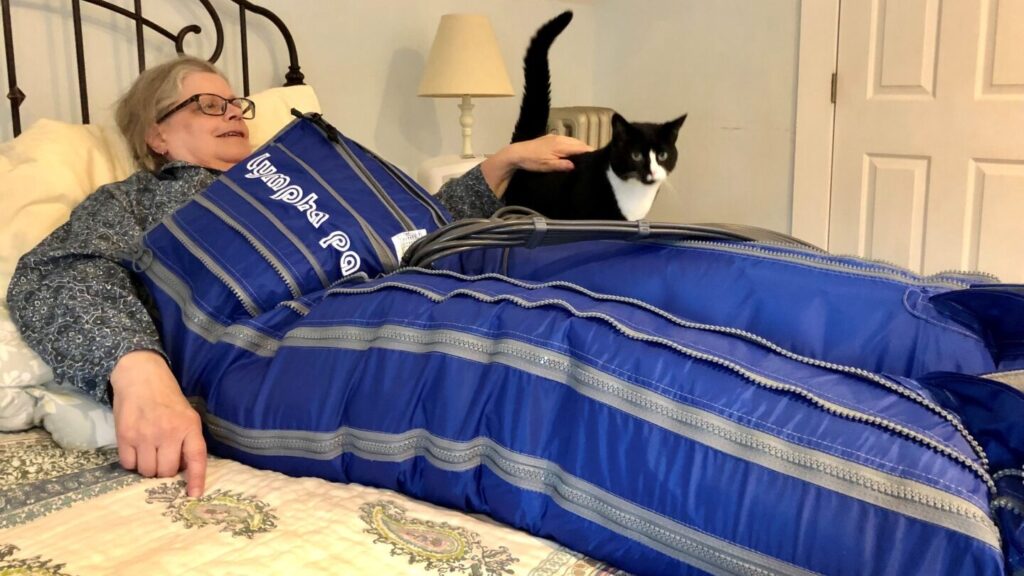
- Intermittent pneumatic compression: Using a Lympha Press compression pump regularly
- Movement: Increasing activity and strength through walking, using chair pedals, and strength training
- Self-massage: Doing self-manual lymphatic drainage (MLD)
- Vibration therapy: Using a vibration plate for circulation and strength
Food played a major role in her new routine, but it took time to understand which foods triggered inflammation and other symptoms. “Food sensitivities are really individualized,” Beaujean says.
Feeling Better in Ways That Matter
As Beaujean stayed consistent with her routine, she began to notice real changes. Over time, she lost significant fluid, inflammation, and feelings of heaviness in her legs.
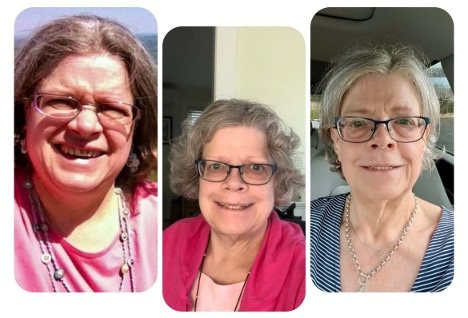
“I don’t do all of this for weight loss, although that is a benefit,” Beaujean says. “I’m in it to lower inflammation and decrease the heavy sensation in my legs.” Now she can walk a few miles around her neighborhood without feeling like she’s dragging her legs. Her knees still require care, but her mobility and energy have improved in ways she once didn’t think were possible.
Finding Support While Living With Lipedema
After her diagnosis, Beaujean turned to social media to learn more. For the first time, she saw other people who looked like her and shared similar experiences. “It made me feel like I wasn’t alone,” she says.
That sense of community became a turning point. Today, Beaujean gives that same support to others. She helps moderate lipedema groups, participates in monthly Lympha Press lipedema roundtables, and connects with people across the country who are navigating the same challenges. Many of those connections turned into meaningful friendships.
Turning Experience into Advocacy
As Beaujean learned more about lipedema, she felt called to help others find answers sooner than she did. “Too many women are told it’s just weight,” she says. Beaujean now serves on the board of the American Lipedema Association, where she focuses on raising awareness, supporting patients, and closing gaps in medical understanding.
Her work includes helping lead patient groups, participating in educational webinars, and connecting people to reliable resources. She’s especially passionate about improving recognition of lipedema in healthcare.
Advice for Living with Lipedema
When Beaujean talks to others starting their lipedema journeys, her advice is simple. “First, just breathe,” she says.
After diagnosis, it’s easy to feel overwhelmed by everything there is to learn and manage. Beaujean encourages people to slow down and focus on one step at a time. “Don’t try to do everything all at once,” she says. “Try something, see if it works for you, and then build from there.”
Beaujean also emphasizes the importance of connection. Finding others who understand can make a meaningful difference.
Join the monthly Lympha Press lipedema roundtable, a friendly online meetup where you can get information and support and connect with others living with lipedema.
Photos provided by Jenny Beaujean.