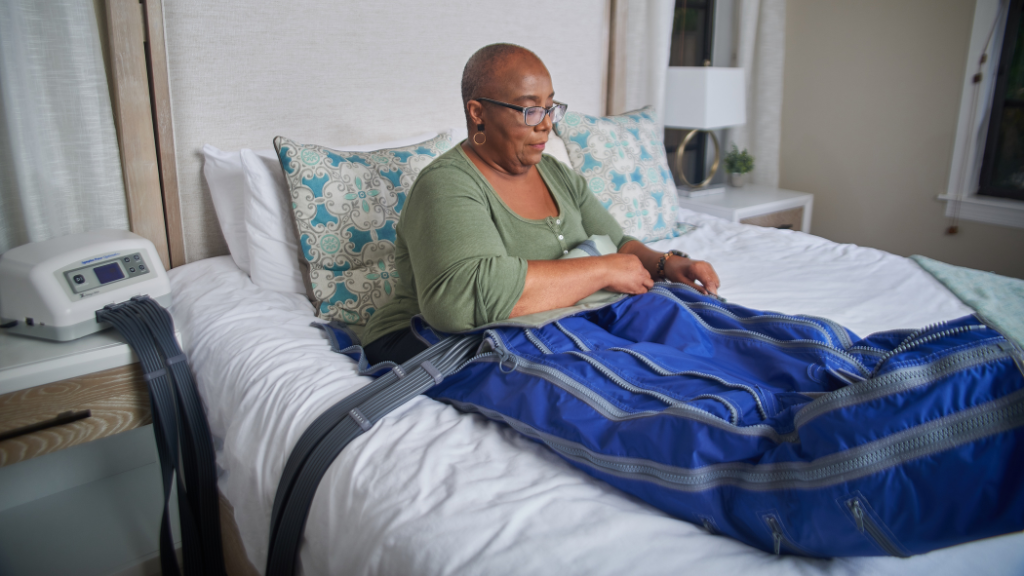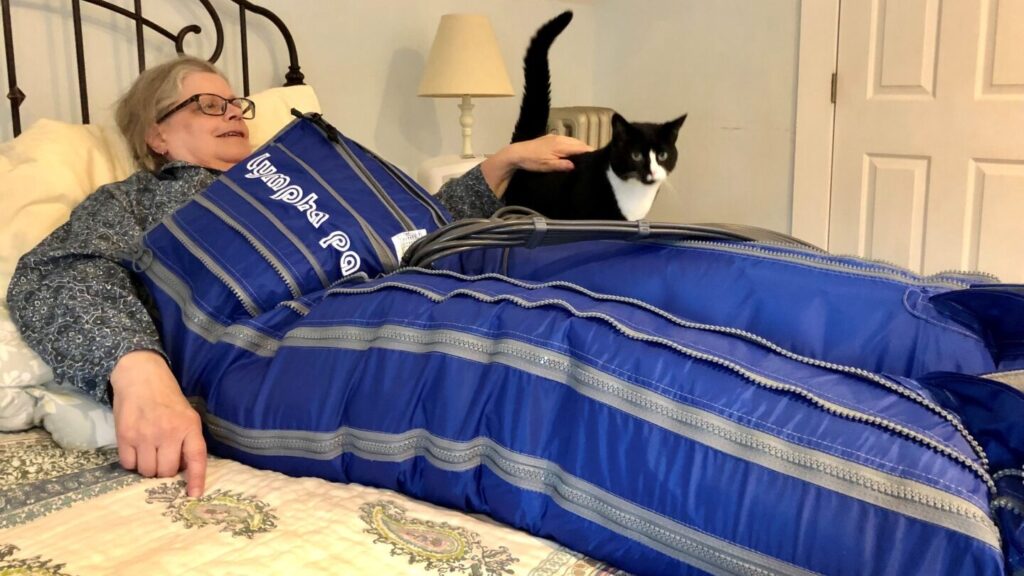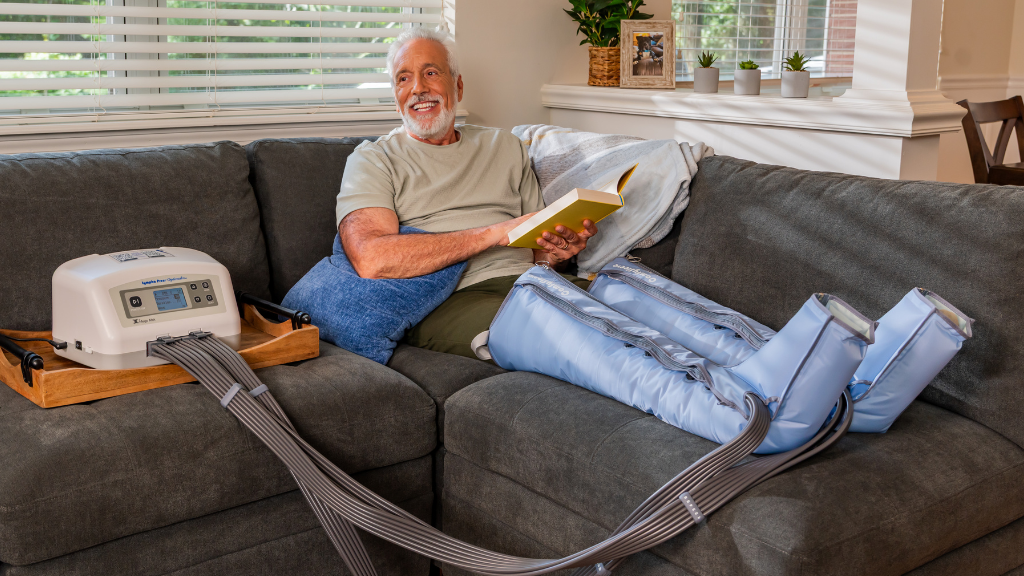

Medicare has added a new step before patients can receive some pneumatic compression devices (PCDs), like Lympha Press systems. This change comes after years of sometimes- confusing, inconsistent policies regarding these devices.
While the change adds a step, it can provide more clarity about coverage before you receive your device. Companies like Lympha Press are embracing this process and believe it is a positive step forward for patients’ access to the therapy they need.
Attorney Cara Bachenheimer is an advisor on policy related to Medicare, Medicaid, and other third-party payment programs. She explains the new prior authorization process and answers common questions.
What Is Medicare Prior Authorization for PCDs?
Prior authorization, sometimes called pre-approval, is when your healthcare team gets advance approval from Medicare for your PCD. Medicare must confirm that the device is medically necessary based on your condition and prior treatments. Advanced approval ensures that Medicare will cover your device.
Pneumatic compression devices are at-home therapy systems that use air pressure to move fluid and reduce swelling. These devices are commonly prescribed for conditions like lymphedema, lipedema, or chronic venous insufficiency.
How Has the Pre-Approval Process Changed?
Previously, a Medicare patient received their PCD before a device company, such as Lympha Press, submitted the claim to Medicare. But even if Medicare paid for the device, auditors could later decide the patient didn’t meet coverage criteria.
Now, Medicare reviews your information and decides about coverage up front, before you get your PCD. Once Medicare says yes, the approval helps reduce the risk of future claims denial.
“Everybody has a negative association with prior authorization, but in this case, people have actually been really happy with the process,” says Bachenheimer. “It’s been a positive experience for patients and device companies.”
Who Needs Medicare Prior Authorization for PCDs?
The prior authorization requirement only applies to people with traditional fee-for-service Medicare. It does not affect Medicare Advantage or other private medical coverage. However, these other plan types may have their own prior authorization requirements.
Which Lympha Press Devices Require Medicare Prior Authorization?
These Lympha Press home compression pumps fall under Medicare categories that now require prior authorization:
- Basic pump: PCD-51™
- Advanced pump: PCD-52™
- Advanced +: Lympha Press Optimal Plus™ with Bluetooth connectivity
Steps in the Medicare Pre-Approval Process
To receive Medicare pre-approval for a PCD, the process typically follows these steps:
- Your provider prescribes the device.
- Lympha Press works with your provider to gather your medical records.
- Medicare reviews the request.
- You receive your device after approval.
What Information Does Medicare Require to Approve Compression Devices?
To consider coverage for a PCD, Medicare must receive:
- A prior authorization request form
- Documentation from a recent, in-person exam with your provider
- Medical record documentation from your prescribing provider and lymphedema therapist describing your need for a PCD
Who Handles the Paperwork for PCD Devices?
Your care team and Lympha Press handle all the paperwork. Your prescribing provider and lymphedema therapist provide the medical record documentation Medicare needs. The device company completes the prior authorization request and sends it to Medicare, along with your medical records.
“The Lympha Press team works with the providers and compiles everything that’s needed,” says Bachenheimer. “There’s nothing that patients need to do.”
How Long Does Prior Authorization Take?
Many people fear that prior authorization requirements will lead to long delays, but that’s not the case with this Medicare change. There are two possible timelines for a response from Medicare:
- Standard decisions typically arrive within 10 business days, and sometimes as quickly as five to seven business days.
- Urgent requests typically get a response from Medicare in about two business days.
Bachenheimer emphasizes that there’s no reason to expect any delays. “So far, Medicare has been meeting these timelines,” she says.
What Happens if Medicare Denies Approval?
If Medicare does not approve the request, it doesn’t mean you’ve been permanently denied coverage. Many non-approvals happen because documentation is incomplete, not because you don’t qualify. Lympha Press will try again on your behalf.
To submit another request, Lympha Press collects additional details about your need for a PCD from your provider or therapist. They then resubmit the request to Medicare. You can repeat this process as many times as needed if there’s new information to provide.
Why the Medicare Pre-Approval Process Is a Positive Change for Patients
Bachenheimer says that the new prior authorization requirement is a positive change for providers, device suppliers, and patients. “Unlike many prior authorization processes, Medicare has done a good job in this area,” she assures. “It’s not something to be concerned about, and it won’t delay access to care.”
Lympha Press is here to help you navigate Medicare coverage for pneumatic compression devices. Please contact us for assistance.